 One of the oft-overlooked elements in the routine of blogging is image selection. Now, not every blogger uses images, charts, graphs, or other visuals as part of their storytelling approach (Seth Godin, most notably, is almost always a text-only blogger).
But for those of us who do, our photos can be just as important and compelling as our written copy.
The art of communications and marketing is largely one of storytelling. As someone with small children, I can appreciate the necessity of images to help tell stories. Images can help to set expectations, evoke emotional responses, draw attention, provoke laughter, or symbolize irony, among hundreds of other things.
So you see, the cavalier approach to image selection simply won’t do for blogging. Or shouldn’t. Similarly, the sources and the rights of images needs to be taken just as seriously as choosing an image. This post is designed to help you think about where and how you choose images for your blog (or site, or brochure, or whatever), with some bonus content thrown in.
 We’re hearing more and more about “Relationship Commerce” these days – but how many of us actually understand its implications? I’ve spent years in the midst of the evolution of commerce: As traditional commerce shifted into a digital world, through it’s evolution into Social Commerce, and now as we come upon the brass ring – Relationship Commerce.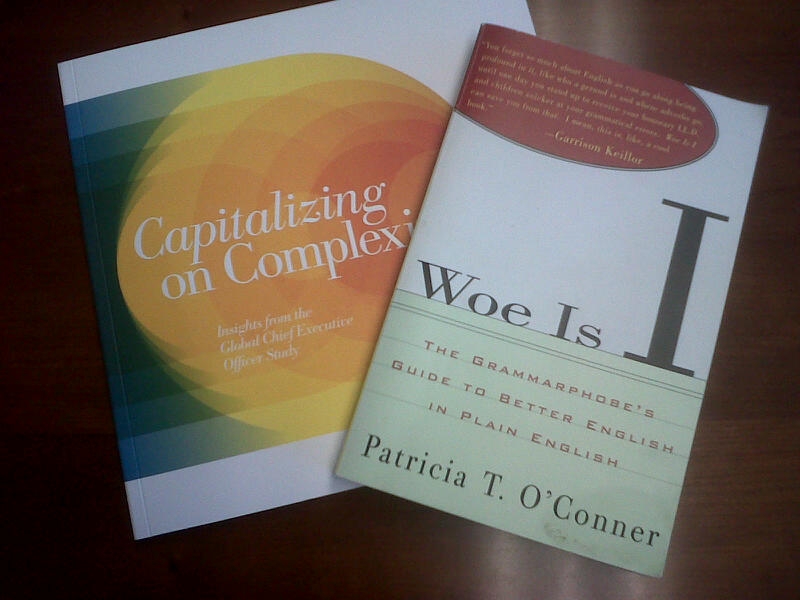

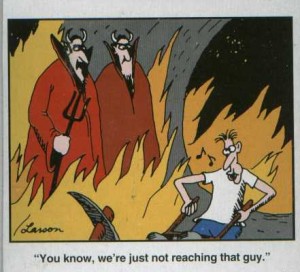 It is good to hear senior marketing people beginning to talk turkey about online demand generation now that some of the luster and magic has worn off of social media. And while both customer behavior and online tactics have evolved, the essence of good online demand generation has stayed the same for the past decade; and really its boils down to 5 key factors to sustainable success online.