 The biggest goal for any brand delving into social media should be to develop quality, productive relationships. That’s the bottom line. However, many brands still “don’t get it,” and consistently make mistakes that are damaging to them in social media and therefore damaging to their brand. In my opinion, there are four big no-no’s that not only kill those all-important relationships, but also tarnish your reputation:
1. Broadcasting: Blasting out sales messages rather than listening and engaging has got to be the number one relationship killer of all time. Bar none. People hate to be sold—especially on social channels, where their main objective is to talk, get opinions, relax and have fun, or find answers to pressing problems. When a brand spends the majority of its time broadcasting, it’s a clear message to followers that they’re not interested in real, two-way communication.
Listening should be your first priority, followed by engagement. Don’t try to sell to people until you’ve earned their trust!
2. Taking Followers Offline to Resolve Issues: If someone has a problem and comes to your social presence to try to get it resolved, the worst thing you can do is shunt them off to a customer service contact with a “form letter” response. Too often I see… “follow us so we can DM you,” on Twitter, or a quick move to traditional customer service channels on Facebook. People have an innate need to be validated—and “showing them the hand” is the fastest way to sour a customer relationship. Sometimes there are things that have to be resolved offline for legal issues, but the majority of complaints or requests for help should be addressed promptly and publicly in social channels. At the very least, if you MUST send them offline, do so in a friendly, personal manner. Address them by name, thank them for bringing the problem to your attention, and so on. Walk a mile in your customer’s shoes—how do you feel when you’re ignored or made to jump through hoops by a company you deal with?
Responding publicly has another important, beneficial, and cost saving benefit. Other people with the same issue, and you can/should assume there are many more, can receive resolution via your response, and see how you interact… and then make their own judgments about your brand character based on those interactions. If you’re doing it right, you will build brand advocates in the process, and when/if needed your best brand advocates will support you when they see that kind of open, honest communication.
3. Having No Brand Personality: People who spend time on social media like to spend time with people—not logos. If you have a team of employees handling your social responses, don’t make them hide behind the brand logo when they interact with followers—give them a voice and a face. Ford does a great job of this with @ScottMonty building his personal brand along with theirs. Scott interacts with followers as himself, not the Ford brand. This humanizes the brand and fosters good communication. Being able to see the team members behind the company and interacting with them personally makes a big difference in fan loyalty.
When a company censors its employees and doesn’t allow them to participate in social discussion surrounding the brand, it’s usually because they’re afraid of “what might happen if…” They’re afraid they’ll spend too much time on social or say the wrong things. These issues can be resolved with a comprehensive social media policy so all employees know how and when they can and should interact. Remember, your employees should be some of your best advocates, and a natural extension of your “public face.” You can’t do social right with employee censorship. Your people are your company’s personality. Let them shine for you. And… if you don’t trust your employees, maybe you have the wrong employees, or a business approach that will be difficult to sustain in this hyper-connected world.
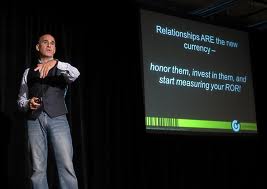
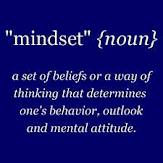
4. Making Social a Direct Marketing Channel: Can you develop a relationship with a piece of direct mail? A TV commercial? A newspaper ad? An email blast? Of course not! Yet many brands treat social as an extension of their direct marketing efforts—mainly because that’s all they know. They’re used to handing off their marketing to an advertising agency and having them run with it so they can get on with their day. They think in terms of ROI formulas, but falter when it comes to measuring the effectiveness of one-on-one networking. If that’s you, don’t feel too bad—it’s a habit that’s been drummed into you and hard to break. But you’ve got to break it! Adopt a whole new mindset around social, and think in terms of building relationships and an emotional connection to your brand, or you’ll always be frustrated with your results. Remember… Social Media drives engagement, engagement drives loyalty, and loyalty correlates directly to increased sales. Return on Relationship™ = ROI.
This goes back to the “Broadcasting” mistake I mentioned earlier. Think in terms of providing helpful content, fun ways to communicate, sharing information and asking questions. Leave the direct marketing stuff in traditional channels. Get a sense of who your audience is and give them what they’re looking for in your social communications, or you’ll get “un-followed” or ignored in a hurry.
What other “relationship killers” have you come across when dealing with brands online, and how do you think they could be avoided? Conversely, which brands have you noticed that are “getting it right” in social media when it comes to Return on Relationship™?



 You’ve heard the old adage “Stop tosmell the roses,” right? Well, I’ve come to learn that when life hands you those “moments,” it’s best to slow down, savor them and commit them to memory. They only come around once! And when you make a conscious effort to put yourself in that moment and really experience it with all your senses, you can recall that memory in an instant, and “re-savor” it. How can this relate to your business? Let’s try a little experiment. Close your eyes and think back to a particularly happy moment in your life. Picture where you were, what you were doing, and who was with you. What happens when you think hard about that moment? Are the details sharp and clear? I’ll bet that for those really good memories, you can even recall smells and the sense of touch or taste—things that trigger an emotional lift and make you smile. Now think about when you last had a fun experience while shopping. Perhaps you were at an event,or browsing a brick-and-mortar store… what products come to mind? What details do you remember about the experience? When you’re thinking about “branding” your business (and it doesn’t matter if you sell cupcakes or care-giving services), think about providing your customers with the kind of experiences that they will want to savor, because that’s a foot in the door to building a long-lasting relationship with them. What can you do that will make them want to stop and savor your “moments?”
 I believe many are looking at this in too narrow a fashion. Everyone is trying to assign a dollar value to a Facebook fan or Twitter follower instead of addressing the fact that engagement and interaction that takes place in these mediums and are incredibly important to a brand. They build relationships, create an emotional connection and therefore lead to Return on Relationship™… simply put the value that is accrued by a person or brand due to nurturing a relationship. ROI is simple $’s and cents. ROR is the value (both perceived and real) that will accrue over time through connection, loyalty, recommendations and sharing.
 In watching the social media revolution unfold around us over the past several years, there’s a recurring theme that keeps popping up. I see it all the time in discussions on “best practices” and in forums and blogs where marketers lament the fact that you can’t measure ROI in social and that marketing has completely changed. The “gurus” out there say it’s a brand new world—the past is past—we have to throw out the old and create the new, yada, yada, yada.
 Social Marketing is the ultimate in Permission Marketing, and therefore it carries the ultimate marketing danger with it: taking away the permission is totally in the consumers’ control. Brands be(a)ware!
 Every Google search is a hand being raised. So is every tweet, blog post, and Facebook comment with a complaint or question. Do you call on those raising their hands?? If not, you are missing an incredible opportunity!