Update to start 2012: Quick search for the exact phrase “Alone we can do so little, together we can do so much” for the entire year of 2011 shows close to 33,000 results still being tweeted an average of almost 3,000 twitter mentions per month!
In January 2010, The Social CMO blog you are reading and this amazing group of bloggers now affectionately known as The Social CMO Crew was formed. When putting up the blog using WordPress, as always there’s a spot for the blog subtitle and because it seemed so fitting I used a quote I had seen fly by on Twitter at that time not aware of its’ original source and it has since stuck.
Since January 2010 this has been our rallying cry here at The Social CMO and been proven out in many ways including the creation of our
 It wasn’t until months later that I was actually told that this quote was from Helen Keller, one of the most famous disabled individuals ever and avid advocate for the blind and other disenfranchised groups. I will not repeat her biography here, but you can review her entire story through her Wikipedia page. So why I am I telling you all this on Sunday in late November? It’s simple because this one phrase really captures the essence of the power of social media. That’s why I instinctively chose it for our tagline at The Social CMO and it appears that I am not the only one who has felt and been inspired by what I am calling the Helen Keller Effect on Social Media.
Yesterday I was at a chess tournament with my son and wanted to send out a tweet on my Blackberry of our tagline and Who Are We? page link as I do from time to time. It has been awhile since I had done this so didn’t have the tweet and link handy so instead thought I would just Google it to pick up my previous tweets with the link. Well much to my amazement for the next few minutes the results of this search literally flooded my small screen!
 Customer Loyalty programs have been around for more than a century and marketing managers have used them very effectively for rewarding loyal customer behavior, especially repeat purchase. According to
  Few people understand the constant pressure that the corporate social strategist is faced with. On any given day, the pressure can include internal challenges such as culture change, demands on proving the worth of programs, program development and execution, vague understanding of the role by some colleagues, the necessity of integrating the function throughout the enterprise, as well as external demands such as interview requests and a constant barrage of questions via email, Facebook and Twitter.
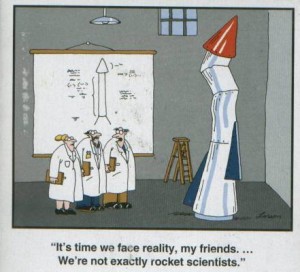 I have been in some interesting debates recently on Twitter in chats such as #mmchat and #techchat on whether or not Social Media is just another channel. While I disagree with almost every word these particular people type, I wanted to make sure this topic was approached objectively… well, somewhat objectively.
 In this fragile economy, many companies no longer have the budgets to throw at big-name ‘multinationals’. A business model based on creating a witty concept and buying media space to disseminate it no longer ensures that the message is heard. Consumers are so overwhelmed by an abundance of information on myriad platforms that agencies must purposefully engage with their target market, whether it be through their cell phones, iPads, or traditional print media. The traditional ad agency thrived on its ability to produce ideas; but ideas are no longer enough. Edward Boches, of marketing blog Creativity Unbound, sums up the challenge perfectly: “we can no longer buy attention”.
 Participation in social media is about the community, not the cult of personality, the narcissism, the “look at me! I’m so great.” I think we all understand that, at least in our talk, if not in our actions. Yet, lately, I find myself bothered by the absolutely rampant self-promoters. I follow people on Twitter who tweet about almost nothing but themselves, their products, their accomplishments, their hotness.