Everything we do – as people, as companies – is about creating relationships, engaging the audience, shaping and creating true loyalty. We’ve made it our business, at least in buzz words, to focus on the emotional bonds between humans and brands. And, don’t fool yourself those emotional bonds are very real. In fact, I give you Dove.
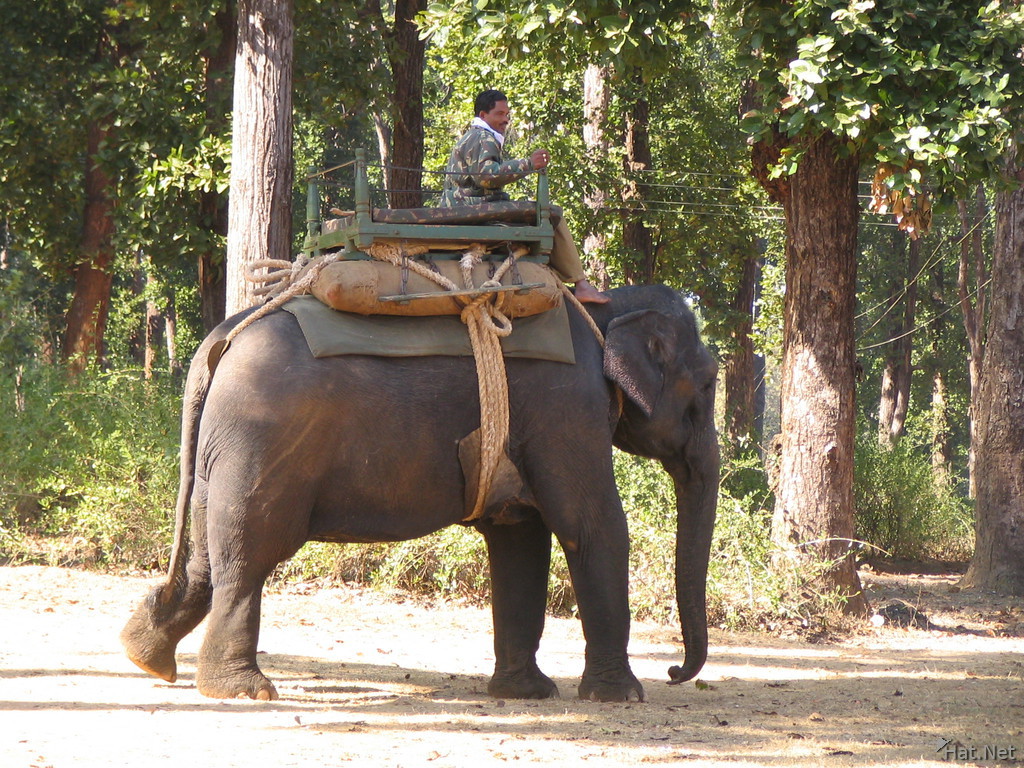
So, if these emotional bonds are real, then why do so many loyalty programs lack a balance in considering rational decisions that humans make, as well as those emotional triggers which are by far much stronger, much more engaging, and can be the foundation of true loyalty. In the book “Switch” (by Chip & Dan Heath), the Heath brothers explain to us that the rational side of our brain is comparable to a rider and the emotional side, to an elephant. Think about that for a moment: if the rider knows where he is going, then he can easily guide the elephant there, right? But, what if the elephant decides he’d much rather get that jar of peanuts; you know the one that is 12 miles off course. Who wins – rider or elephant?
So, what does this have to do with loyalty? In early indications of an upcoming Maritz Canada Inc. research*, over half of the respondents say that the company brand influences their decision to join the loyalty program in the first place and also agree that the loyalty program becomes an important part of their relationship with the brand. Not only that, but they also say that they actually modify their shopping habits based on where they can earn loyalty points.

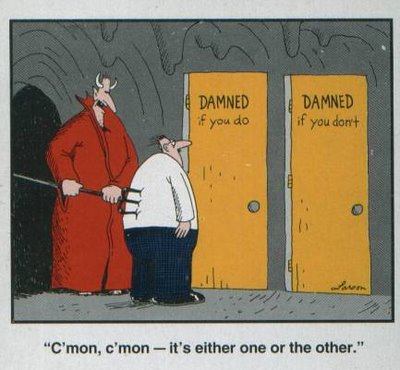 So is there room for a third idea here on influence? One that lands squarely in the great gray area in between these two polar opposites. After all, how can a complex human condition such as influence be explained in such a black and white perspective? How can math or even Chaos and Complexity Theory, for all its power, truly understand a highly evolved and mostly subconscious powerful emotional layer such as how we influence each other?
 One of the oft-overlooked elements in the routine of blogging is image selection. Now, not every blogger uses images, charts, graphs, or other visuals as part of their storytelling approach (
 We’re hearing more and more about “Relationship Commerce” these days – but how many of us actually understand its implications? I’ve spent years in the midst of the evolution of commerce: As traditional commerce shifted into a digital world, through it’s evolution into Social Commerce, and now as we come upon the brass ring – Relationship Commerce.