 McDonald’s hosted the finals of the Flavor Battle, a national DJ comepttion with a $10,000 prize on the line. Admittedly, I’m a fan of DJ music. I find the craft and creativity of top mixers to be great for listening and jaw dropping to watch. (So yes…I’m a bit of a fan boy)
Tweeting from the event was not only fun, but it helped drive home some lessons and planning:
Have a simple plan: Our challenge was pretty straight forward–to take an event at a small club in NYC and make it more social. That included setting up a USTREAM feed from the event and hosting a Twitter chat with three folks well known in the DJ community.
Take a “from the couch” point of view: The DJ battle was at a relatively small venue during a huge snowstorm. Even before the weather report looked bad, we knew that our online audience would be much larger than those who were able to attend in person. As such, a major portion of our plan was to drive that experience for folks watching on the Web. We also had tech teams on the ready to address any issues with the video feed. My role was stoking the Twitter conversation.
Don’t go it alone: The battle was judged by three fun, dynamic and well known folks. Spinderella @Spindeezy (formerly of Salt n Pepa) DJ Irie @DJIrie, and Rich Nice @RichxNice (amazing producer who has worked with all the big names and got 50 Cent his first record deal). Part of our “ask” of each judge was to join the Twitter conversation around the battle. This started with a Twitter chat for fans prior to the event, which had the dual aim of generating online buzz to drive more folks to watch the battle and then lasted throughout the evening to drive further conversation.
Don’t be afrarid to be careful: At times, the DJ and Hip Hop communities can use colorful language that doesn’t always fit with McDonald’s G-rated brand image. To help mitigate the risk of blue language in our Twitter stream, I conducted a 10 minute pre-game session with the celebrities where I asked them simply to “be yourself, but let’s keep this PG…or PG-13 at least. There might be some kids and moms out there.”
Don’t forget to say thank you: To your Twitter followers and conversation drivers.
Admittedly, none of these lessons may be particularly eye-opening, but given that social media tends to be a “connect through the screen only” experience, it is always refreshing to step away from the office and gain a different perspective.
Rick Wion
 If you’ve visited a bookstore recently, you probably noticed there’s been a lot written lately on the subject of design thinking. Whether or not you think it’s just another trendy buzzword, the topic has been gaining momentum in the last 5 years and is beginning to spark genuine interest from both designers and business executives alike. Big brand names like GE, Proctor & Gamble and Harley Davidson have elevated design thinking to their management ranks and Stanford University has even created an Institute of Design lead by IDEO cofounder David Kelley that believes “great innovators and leaders need to be great design thinkers.”
 Blogging, engaging, listening to customers on Facebook or Twitter are all a necessary component of being online. But doing these things won’t help you actually make sales using social media. The idea of following customers into social spaces is smart. But incomplete without a means to capture attention and ultimately convert it into demand – leads and sales. Could the answer to selling more with social media be found in starting conversations that are worth having? And could conversing in ways that generate questions that you have the answers to be a better way to generate customer inquiries? Here’s my advice on making each social media marketing budget dollar go further in 2011.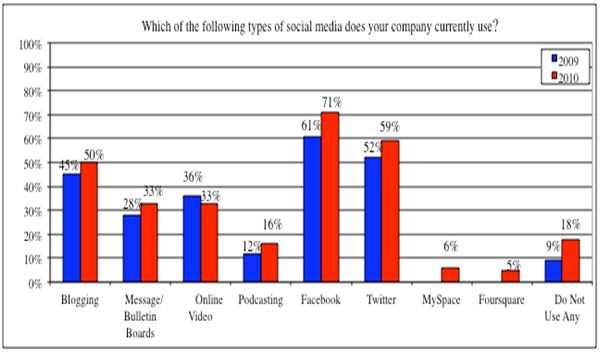



 “Motivated employees make a huge difference in service” says
  As little as two or three years ago for most of us, we relied on information mainly from the mainstream media. Today, the internet is content rich (and of course has been for longer than a few years) and with “everyday” folks like me joining Twitter, Facebook, RSS feeds, etc. the content available is incomprehensible. I could go into all the stats available to support it, but since that’s not where I’m headed, I’ll skip that. Where I am headed is this: you are defined, categorized, listed, judged and perceived by both the content you post AND the company you keep.